Research · 8 min read
The Science Behind Small Behavior Change
Why the brain adopts small, cued, repeated behavior faster than big announcements—and what that means for how you lead change.

This is a plain-language synthesis of well-established ideas in cognitive and behavioral science—cognitive load, threat response, habit loops, and observational learning—read through one question: what should a leader actually do differently on Monday?
The brain is not resisting your change. It is budgeting.
Working memory is narrow and expensive. When a change arrives as a set of abstract expectations, people have to hold the intent, translate it into an action, and decide whether that action is safe—all while doing their actual job.
That translation cost is what usually gets read as resistance. Reduce the cost and most of the resistance goes with it. A single, concrete, visible cue removes the interpretation step entirely: there is nothing to decode, only something to do.
This is why clarity outperforms motivation. Motivation raises effort temporarily. Clarity lowers the price of the behavior permanently.
Safety is evaluated before performance.
Social risk is processed fast and early. Before someone decides whether a new behavior is a good idea, they have already decided whether it is safe to be seen trying it.
That ordering has a practical consequence for leaders: a behavior that could make someone look uninformed, slow, or out of step will not be adopted, no matter how well it is explained. The system has to make the attempt low-risk before it can make it common.
The fastest way to lower perceived risk is not reassurance—it is a leader doing the thing first, badly, in public, on a normal day.
Habit formation runs on cue, behavior, and recognition.
Durable behavior tends to organize itself into a loop: a reliable cue, an action small enough to complete, and some form of recognition that the action mattered. Break any link and the loop degrades.
Most workplace change efforts supply the behavior and skip the cue. People are told what to do but nothing in their day reminds them when. The behavior then depends on memory and willpower, which are the two least reliable systems in a busy quarter.
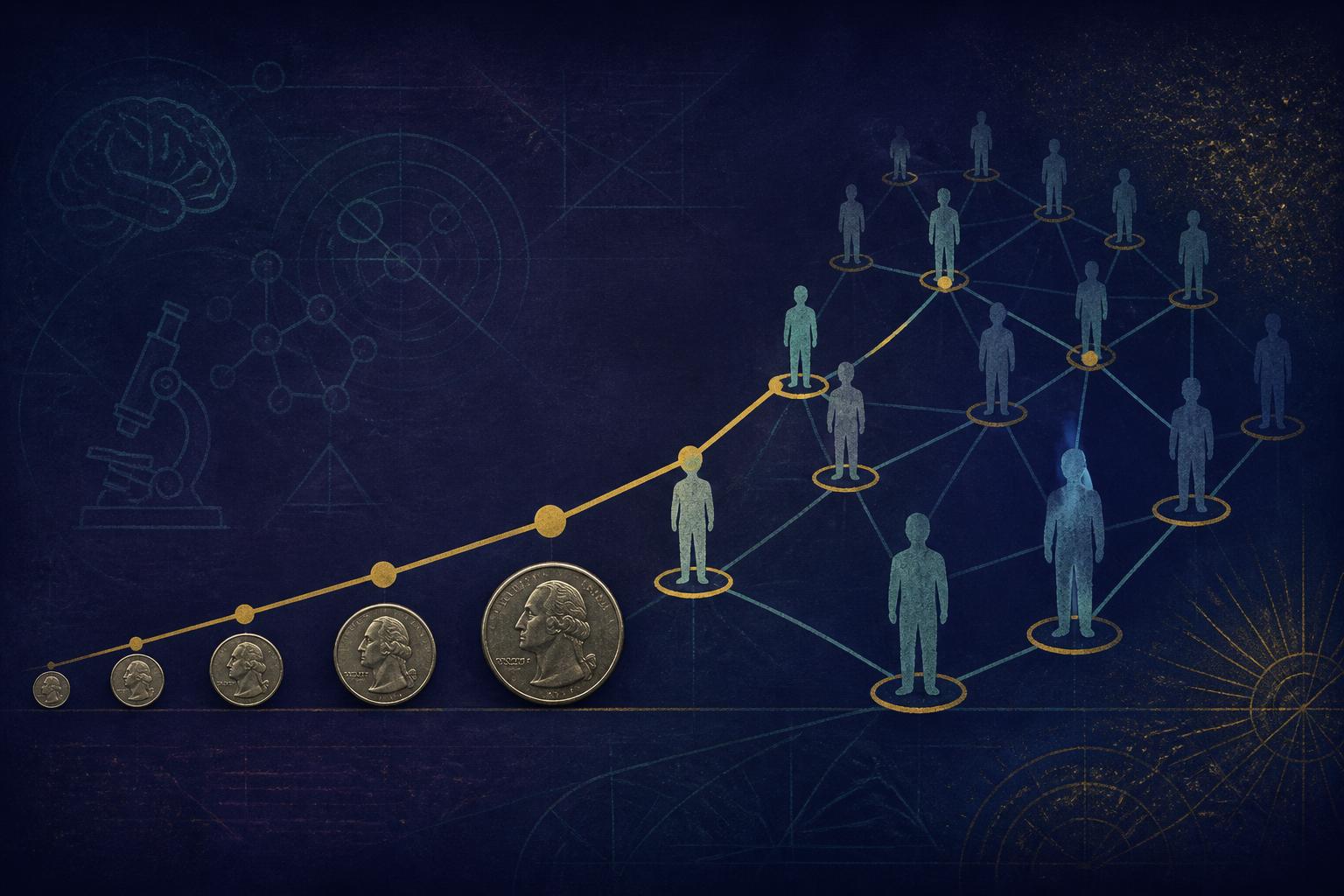
Quarter Power is essentially a cue design method. The quarter is not magic; it is a physical, unavoidable trigger that removes the 'when' question and leaves only the doing.
Repetition, not intensity, is what encodes a norm.
A single high-intensity experience—an offsite, a powerful keynote, a hard conversation—can shift intention. It rarely shifts default behavior, because defaults are built from frequency.
Frequent, low-effort repetition is what moves an action from deliberate to automatic. Once it is automatic, it stops competing for attention, which is exactly when it becomes reliable under pressure.
The leadership implication is uncomfortable but useful: the behavior you should choose is not the most impressive one. It is the one you can guarantee you will still do in week eleven.
People learn norms by watching, not by reading.
Observational learning is fast and largely involuntary. Teams calibrate to what they see leaders and peers actually do, which is why a values document loses every argument it has with an observed behavior.
This makes visibility a design requirement, not a nice-to-have. If a behavior happens in private, it can be admirable and still be culturally inert.
It also means the smallest visible move from a manager typically outperforms the largest invisible move from an executive.
What this means for how you lead change.
Design for cognitive load, not enthusiasm. Ask what you can remove from the decision, not what you can add to the message.
Make the first attempt safe, and make the leader take it. Then make the behavior visible enough to copy and small enough to survive the worst week of the quarter.
Finally, measure repetition before you measure results. If the behavior is not recurring, any outcome you see is weather, not climate.
The brain does not adopt what it is told. It adopts what it is cued to repeat safely.
Try this next week
- 01Name the one behavior your strategy actually depends on. One.
- 02Find an existing moment in the day that can carry it as a cue.
- 03Shrink the behavior until it survives a bad week.
- 04Do it visibly, first, before asking anyone else to.
- 05Track how often it happens for thirty days—not how well it went.
The loop, visually
Cue, behavior, repetition, mirroring, trust.

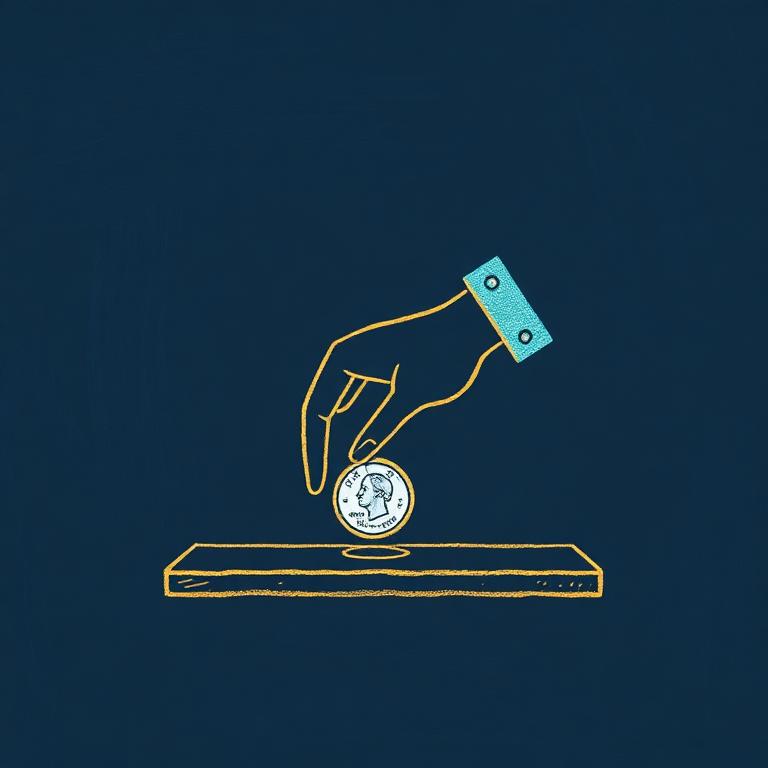
Something visible tells the brain a behavior belongs here.
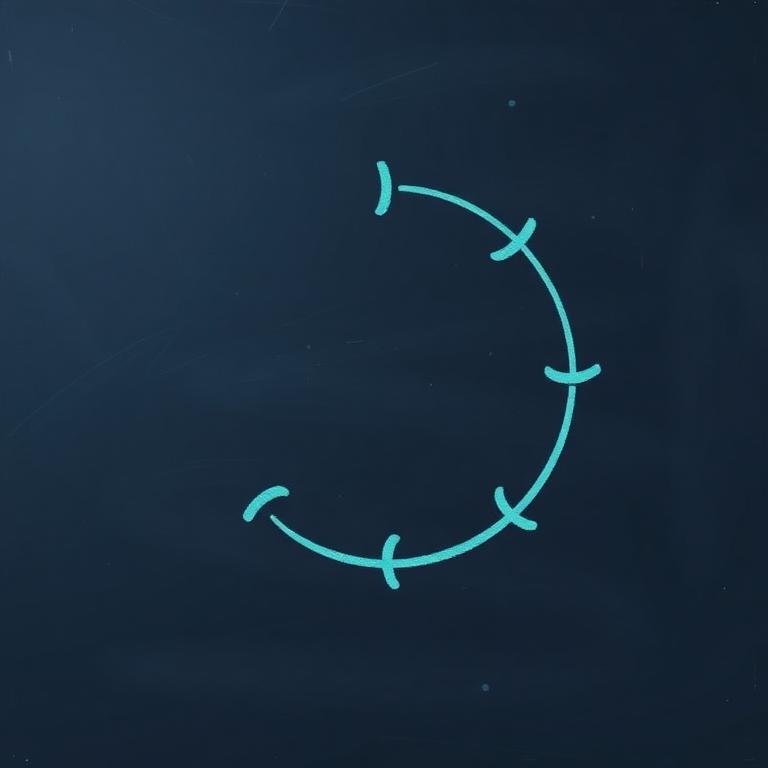
The action is small enough that nobody has to negotiate with themselves.
Frequency, not intensity, is what encodes the norm.
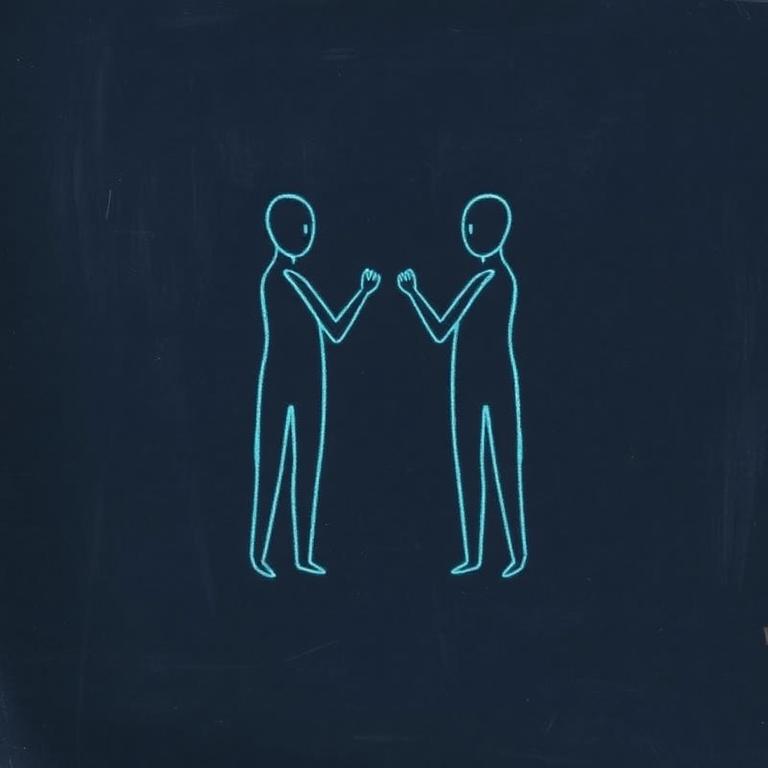
People copy what they can see a leader do consistently.
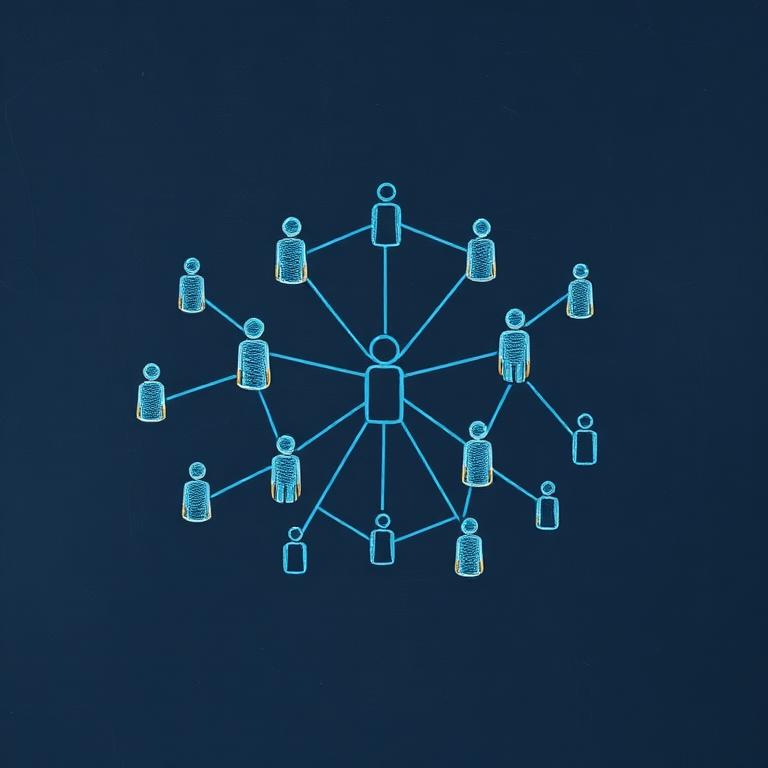
Predictable behavior compounds into a system people rely on.
Hover or tap to pause the strip.
The takeaway
Behavior change is an engineering problem, not a motivation problem.
Design the cue, shrink the action, make it visible, and let repetition turn it into the default.
You may also like
Keep going.
More reading, a tool you can run this week, and the playbook itself.
Quarter Power
Big Culture, Small Moves: How Micro-Habits Create Macro Trust
Culture does not change in the all-hands. It changes in the small, visible, repeatable moves people can copy on a Tuesday.
Read the article →
Tool
Human Architecture Pulse Check
Rate your human system in ten questions and see where safety, trust, and accountability are thin.
Take the pulse check →Quarter Power Starter Kit
The six-step playbook, examples, a Human Architecture reflection, and a 30-day pattern tracker.
Send me the starter kitComing next
- Doing More With Less Is a Burnout Slogan With a Software License.
- Before You Automate the Work, Define the Humanity You Refuse to Lose.
- Why Your Managers Are the Missing AI Governance Layer.
People do not resist change. They resist ambiguity, loss, and being designed out of the future.