Quarter Power · 7 min read
Big Culture, Small Moves: How Micro-Habits Create Macro Trust
Culture does not change in the all-hands. It changes in the small, visible, repeatable moves people can copy on a Tuesday.
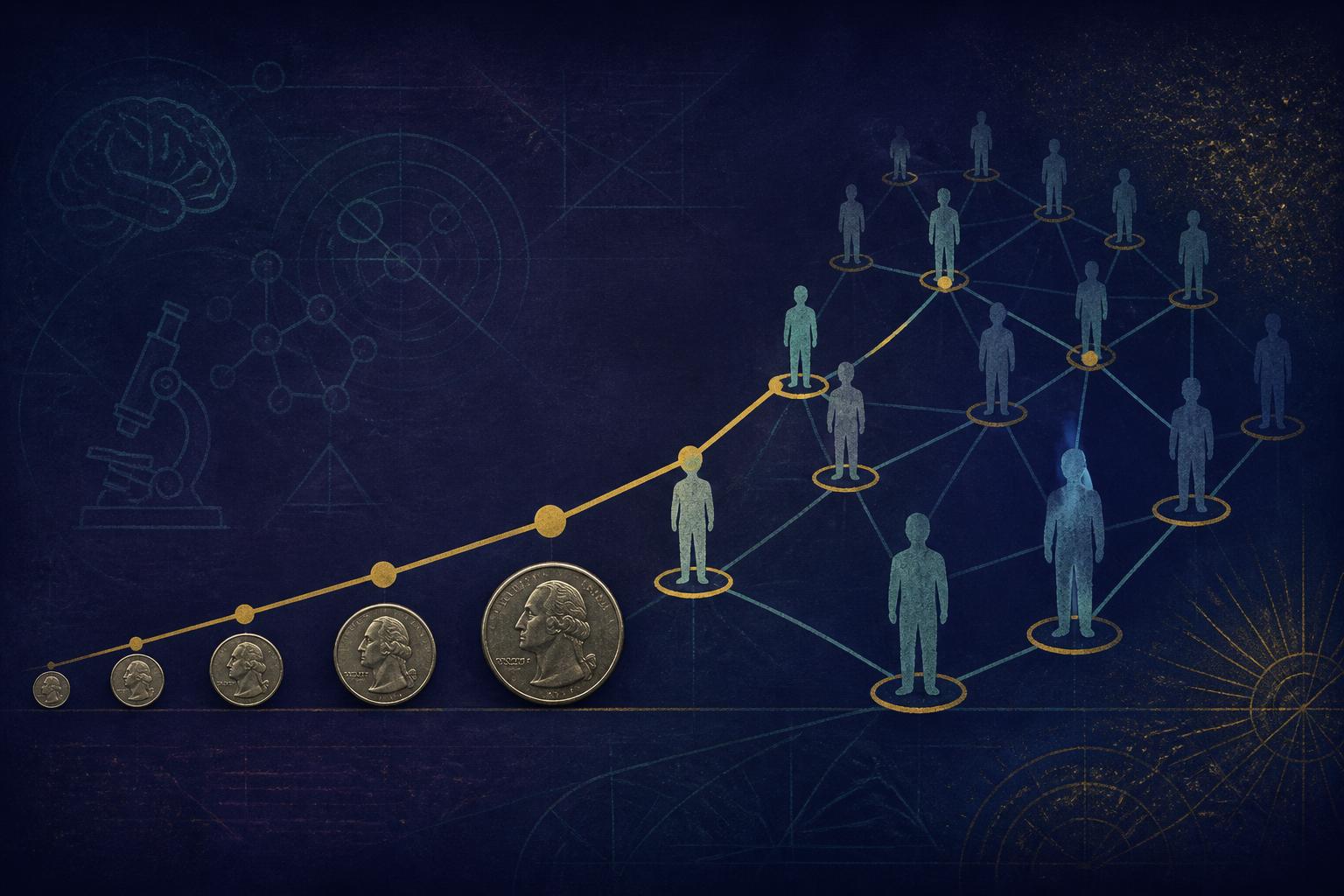
Culture is not what you announce. It is what people can copy.
Most culture work starts at the top of the volume dial. A new value set. A town hall. A deck that names the behaviors leadership would like to see. Then everyone goes back to their calendar, and the calendar wins.
The gap is not commitment. It is translation. People leave the room agreeing with the words and still not knowing what to do differently at 9:14 on Tuesday morning. When the required behavior stays abstract, the safest move is the old behavior—so that is the one that repeats.
A micro-habit closes that gap because it is unambiguous. It is one action, small enough to do under pressure, visible enough that other people can see it happen, and repeatable enough that it shows up whether or not anyone is feeling inspired.
Trust is built from evidence, not intent.
People decide whether to trust a leader the same way they decide whether to trust a road: by how predictable it is. One brilliant, heartfelt moment does not establish reliability. Forty small, consistent moments do.
That is why micro-habits punch above their weight. Each repetition is a data point. Over a quarter, those data points stop reading as a leader's personality and start reading as how this place works—which is the working definition of culture.
The behaviors that generate the most evidence are usually unglamorous: naming the decision that was made and who made it, saying out loud what you do not know yet, closing a loop you opened last week, thanking someone in the room instead of over direct message.
People do not trust what you meant. They trust what you repeated.
Why small beats big when the pressure is on.
Big behaviors are fragile because they require conditions—time, calm, a good week. Small behaviors survive bad weeks, and bad weeks are exactly when a team is reading its leaders hardest.
That survivability is the whole point. A behavior that only appears when things are going well teaches people that the culture is conditional. A behavior that appears on the worst Thursday of the quarter teaches them the opposite.
This is the Quarter Power idea in one line: pick something so small it feels almost insulting, attach it to something visible, and let repetition do the work that intensity cannot.
Micro-habits spread horizontally.
Small, observable behavior is inherently copyable. Nobody needs training to imitate a leader who starts every project review by stating the one decision the meeting must produce. They just watch it happen three times and start doing it.
That is how a leadership habit becomes a team norm without a mandate, a rollout plan, or a compliance tracker. The behavior travels because it is cheap to adopt and obvious to see.
It also travels sideways into places you did not target. Teams that adopt one clarity habit tend to get clearer in adjacent conversations, because the standard for what counts as clear has quietly moved.
Where micro-habits fail.
They fail when they are invisible. A behavior nobody can observe cannot be copied and cannot generate evidence.
They fail when they are actually large. If it takes twenty minutes and a prepared document, it is a process, not a habit, and it will not survive a busy quarter.
They fail when the surrounding system contradicts them. A leader who asks for candor and then punishes the first inconvenient answer has not created a habit—they have created a test people learn to stop taking.
Try this next week
- 01Pick one behavior you can do in under sixty seconds.
- 02Attach it to a moment that already exists—the start of a standing meeting, the end of a shift, the first message of the day.
- 03Make it visible. If nobody can see it, choose something else.
- 04Do it for thirty days without announcing a program.
- 05In week five, ask the team what they have noticed. Do not lead the answer.
The pattern, visually
How a small move becomes macro trust.

Something visible tells the brain a behavior belongs here.
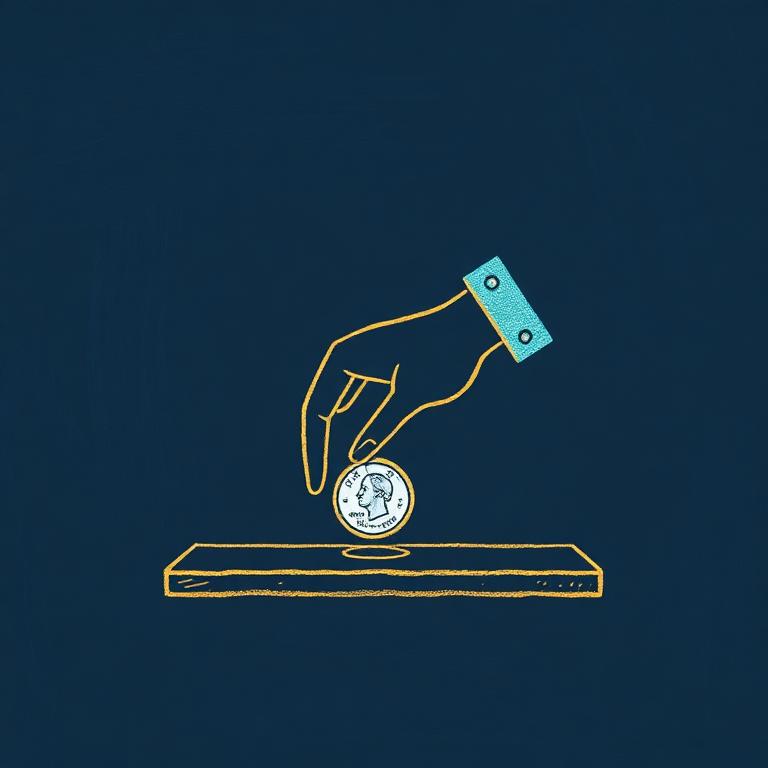
The action is small enough that nobody has to negotiate with themselves.

Frequency, not intensity, is what encodes the norm.
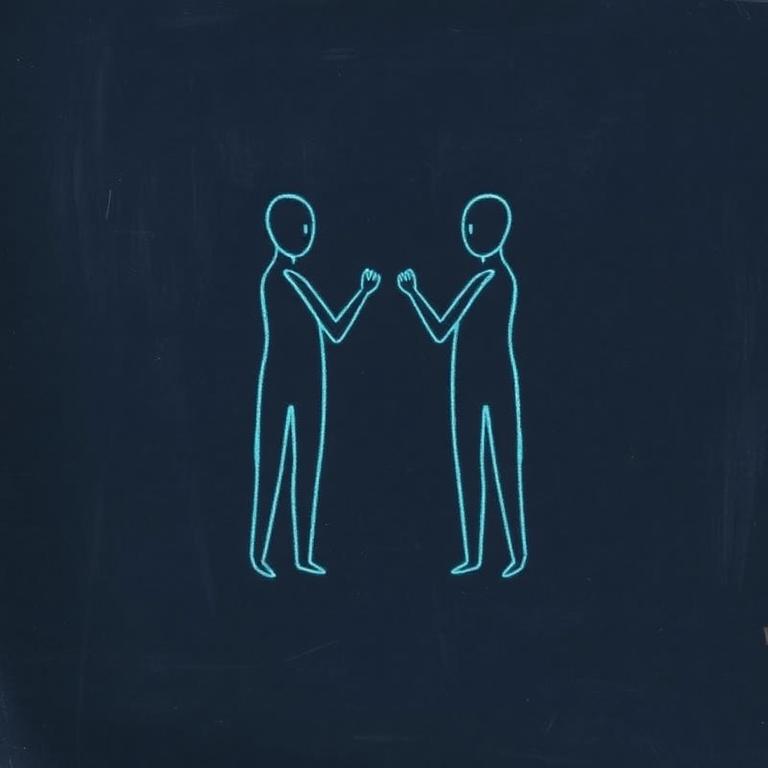
People copy what they can see a leader do consistently.

Predictable behavior compounds into a system people rely on.
Hover or tap to pause the strip.
The takeaway
Small moves are not a lighter version of culture work. They are the mechanism.
Design the human system so the right behavior is obvious, then make one visible move repeat until nobody remembers a time it did not.
You may also like
Keep going.
More reading, a tool you can run this week, and the playbook itself.

Research
The Science Behind Small Behavior Change: Evidence and Leadership Implications
Why the brain adopts small, cued, repeated behavior faster than big announcements—and what that means for how you lead change.
Read the article →
Tool
Human Architecture Pulse Check
Rate your human system in ten questions and see where safety, trust, and accountability are thin.
Take the pulse check →Quarter Power Starter Kit
The six-step playbook, examples, a Human Architecture reflection, and a 30-day pattern tracker.
Send me the starter kitComing next
- Doing More With Less Is a Burnout Slogan With a Software License.
- Before You Automate the Work, Define the Humanity You Refuse to Lose.
- Why Your Managers Are the Missing AI Governance Layer.
Training is an event. Behavior change is an operating system.